The conversation around electric vehicles (EVs) is changing. Not long ago, they were seen as a niche product for early adopters and the environmentally conscious. Today, that view is rapidly evolving. A growing number of car buyers are looking at EVs not just as a novelty, but as a practical and valuable choice for their daily driving needs.
This shift in perception is powered by several key factors that are reshaping how we think about the value of an electric car. Let's break down what's influencing consumer attitudes and what it means for the future of driving.
What's Driving the Change in Perception?
The move toward EVs is no longer just about being green. Practical benefits and improved technology are making a compelling case for a wider audience.
- Growing Environmental Awareness: While it’s not the only factor, concern for the environment remains a powerful motivator. As more people look for ways to reduce their carbon footprint, the appeal of a zero-emissions vehicle continues to grow. This foundational value is now being supported by more tangible benefits.
- Advancements in EV Technology: Early EVs were often limited by short ranges and long charging times. Today's models are different. Many new EVs can travel 250-300 miles or more on a single charge, making them suitable for everything from daily commutes to longer road trips. Faster charging technology also means you can add significant range in a much shorter time.
- Government Incentives: Financial perks are making EVs more accessible. Federal tax credits, state rebates, and other local incentives can substantially lower the upfront cost of an electric car. These programs help bridge the price gap between EVs and traditional gasoline-powered vehicles, making the decision to switch much easier on the wallet.
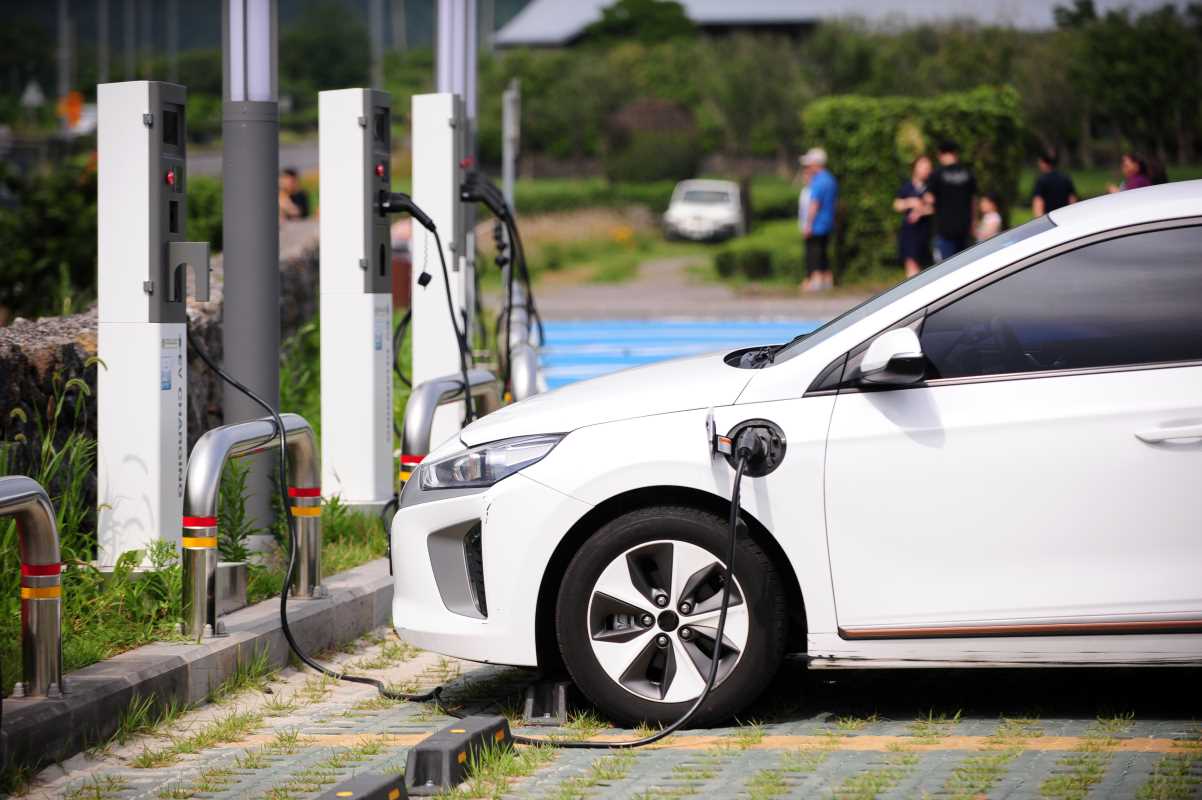
- Expanding Charging Infrastructure: One of the biggest hurdles for EV adoption has been the fear of not finding a place to charge. This "range anxiety" is easing as public charging networks expand. Chargers are becoming more common at workplaces, shopping centers, and along major highways, giving drivers more confidence.
Lingering Challenges and Misconceptions
Despite the positive momentum, some concerns still hold potential buyers back.
- Upfront Cost: Even with incentives, EVs often have a higher initial purchase price than comparable gasoline cars. While drivers can save money over time on fuel and maintenance, the initial investment remains a significant barrier for many.
- Range Anxiety: Although technology has improved, the fear of running out of power is still a real concern, especially for those living in areas with fewer charging stations or who frequently drive long distances.
- Charging Time: While fast charging is getting quicker, it still takes longer than a five-minute stop at a gas station. For people who can't charge at home or need quick turnarounds, this can be a drawback.
The Impact on the Automotive Market
These changing perceptions are sending a clear signal to the auto industry.
- More Choices for Consumers: Nearly every major car manufacturer is now investing heavily in developing a wide range of EVs. From compact cars and family SUVs to powerful trucks, there are more electric options available than ever before. This competition is driving innovation and helping to lower prices.
- A Push for Better Infrastructure: The growing demand for EVs is putting pressure on both governments and private companies to build out a more robust and reliable charging network. This investment is crucial for supporting the continued growth of the EV market.
- A Focus on Education: Manufacturers and policymakers recognize the need to educate the public about the benefits and realities of EV ownership. Addressing misconceptions about cost, range, and charging is key to encouraging more people to make the switch.
The way we value electric vehicles is clearly shifting from a simple environmental statement to a complex decision based on technology, convenience, and long-term financial sense. As the technology continues to improve and the infrastructure grows, EVs are becoming an increasingly logical and appealing choice for drivers everywhere.